


Magnesia brick is an alkaline refractory with a content of more than 90% and a main crystal phase of Magnesium Oxide. Generally, it can be divided into sintered magnesia brick (also known as fired magnesia brick) and chemically bonded magnesia brick (also known as unburned magnesia brick) two categories. Magnesium bricks with high purity and firing temperature are called direct bonded magnesia bricks because of the direct contact of periclase grains; bricks made from fused magnesia are called electric fused and re-bonded magnesia bricks, which are suitable for various rotary kilns, sleeve kilns, shaft kilns and other large and medium-sized lime kilns. Magnesium brick has the advantages of strong alkali resistance, strong erosion resistance, good thermal stability, high compressive strength, load softening temperature and so on. Magnesia bricks are mainly sintered magnesia, and pulp is used as binder. After mixing and high pressure molding, it is fired in a high temperature tunnel kiln above 1550 degree. It has good thermal stability, corrosion resistance and anti stripping performance. Widely used in converter, electric arc furnace and other industrial kilns as lining refractory.
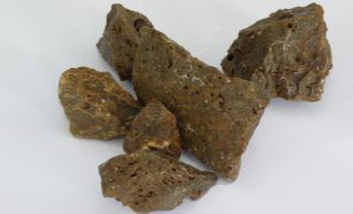
The fused magnesia brick has dense brick structure and high mechanical strength.
Low content of impurities and other advantages, mainly used in large glass kiln thermal storage dense refractory brick has a certain shape and size of refractory, unit volume weight, density, dense, dense, dense, dense, dense, may be high, also known as high temperature load deformation temperature, called reburning line change or residual line change, refers to each time at the same temperature The volume expands and shrinks with the change of degree. It is resistant to high temperature, about 1800 degrees. The softening temperature of load is between 1620 and 1640. The coefficient of thermal expansion is small.
Dense refractory brick is a kind of siliceous clay rich in hydrated aluminium silicate. It has the ability of non-deformation, non-fragmentation, non-softening and non-pasting at high temperature. There are many kinds of products for consumption in the amorphous material sector. Its basic quality requirements are alumina higher than 38% and low iron and low alkali metal content. These products can not be calcined. Calcined or calcined, such as refractory clay, overload plastics, high alumina plastics, refractory clay and high alumina castables.
Unburned alumina-ma-gnesia brick for ladle (unburned alumina-ma-gnesia brick for ladle) refers to the unburned refractory products made from bauxite clinker and Ma gnesia as raw materials used for lining brick of ladle. With the development of new steelmaking technologies such as BOF oxygen blowing, continuous casting and refining, the increase of molten steel temperature and the prolongation of residence time in ladle make the service conditions of ladle lining very harsh, which results in serious erosion of clay lining brick. The unburned alumina-ma lining brick has a better service effect. -gnesia brick for ladle) refers to the unburned refractory products made from bauxite clinker and magnesia for liner brick of ladle. With the development of new steelmaking technologies such as oxygen blowing, continuous casting and refining outside the furnace, the increase of molten steel temperature and the prolongation of residence time in ladle make the use condition of ladle lining harsh and the erosion of clay lining brick serious. The use of this kind of lining brick has better effect.